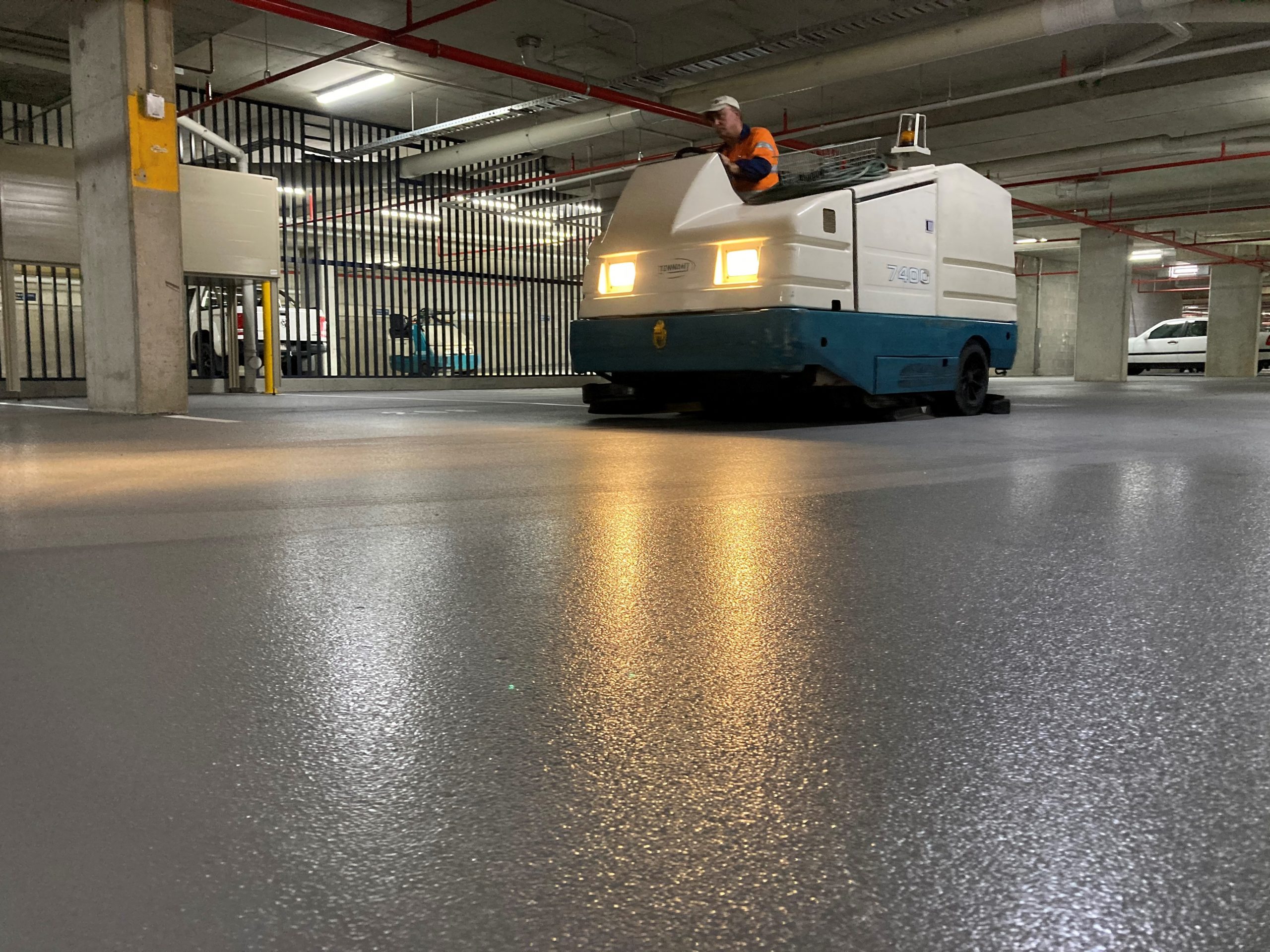
Wondering how often you should schedule commercial sweeping? The answer is at least once per week for high-traffic areas of your business like lobbies or entrances.
It depends on your type of business, though. Certain industries, like restaurants or medical facilities, require frequent sweeping to maintain hygiene standards. Others, like manufacturing or low-traffic retail businesses may require sweeping less frequently.
It all depends. That’s why we wrote this guide to commercial sweeping.
At Brisbane Sweeping Service, we’ve seen it all over our years in the business, so we’re going to provide you some guidance.
In this article, we’ll share practical commercial cleaning tips suited to your location, foot traffic, and surface type. We’ll also talk about the appropriate sweeping timing based on business type and Brisbane’s climate.
Let’s make sure your space stays clean without wasting money. Read on to learn more about how you can do it.
What Impacts Sweeping Frequency?
Your sweeping frequency mainly depends on where your site is, how people use it, and the kind of surfaces you have. You must understand these influencing factors to avoid overspending or under-cleaning.
We’ll take a look at these factors now in detail.
Business Type and Foot Traffic
The most important factor that influences sweeping frequency is your business type and the type of foot traffic you attract. For example, retail spaces usually attract more foot traffic than warehouses, so they require more frequent sweeping. But that traffic also produces less debris, so it may require less intense cleaning.
Let’s break it down a bit more based on business types.
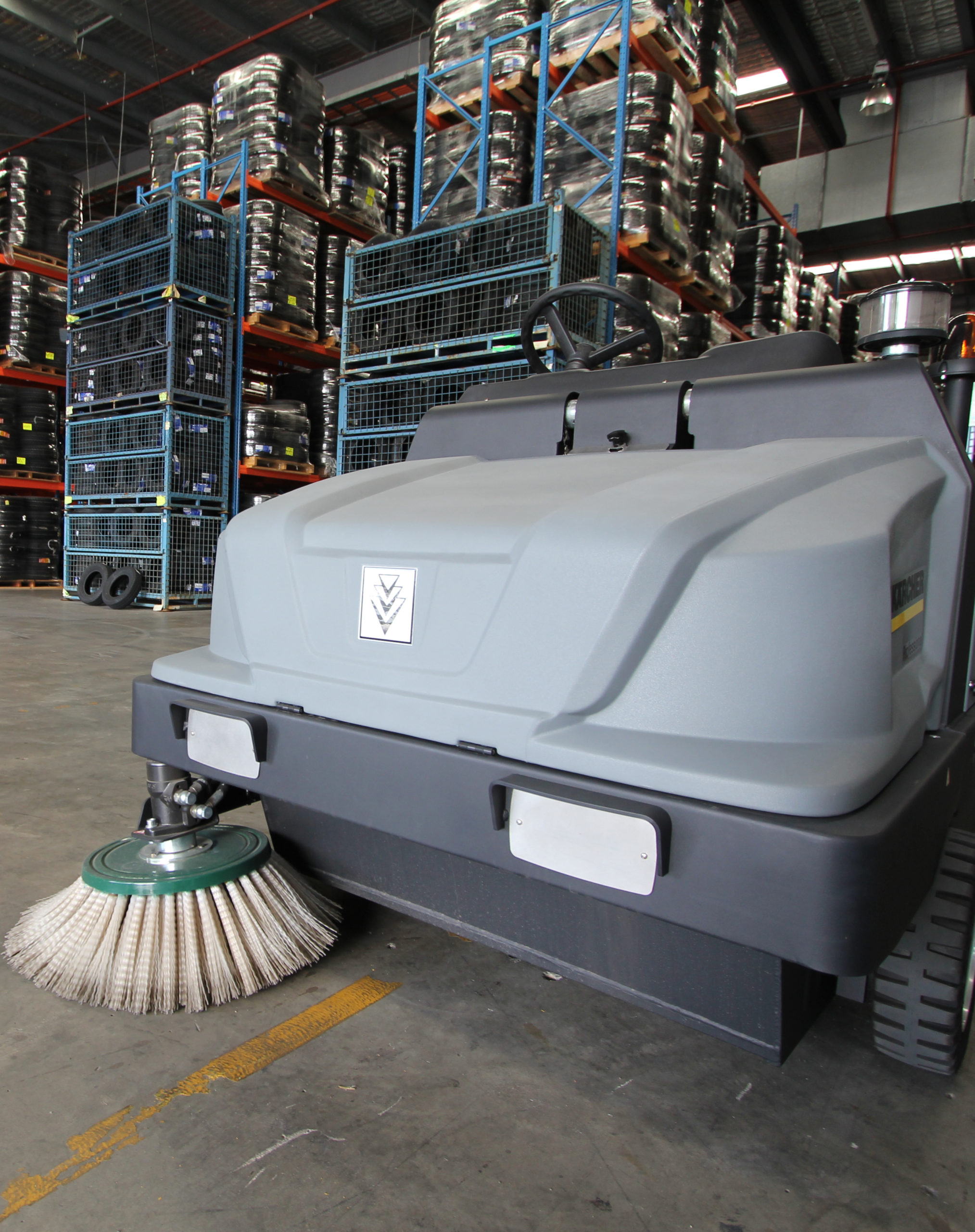
People usually walk in retail spaces. They bring dust, food scraps, and packaging waste with them. Meanwhile, warehouses handle forklift tyres, pallet debris, and grime from frequent stock movement.
And office buildings mostly gather dirt near entryways and shared paths, but they build up rather slowly. You’ll also find that areas dealing with customers become dirty faster.
So, you need to maintain those spaces regularly to remove visible mess outside a shopfront or reception zone. That waste can turn people away before even stepping inside.
Nobody likes stepping over last week’s burger wrapper, you know.
Indoor vs. Outdoor Surfaces
Outdoor spaces collect more debris than indoors because open car parks, loading zones, and driveways are exposed to wind, rain, and falling leaves. Indoor surfaces still build up waste, but they stay cleaner for longer stretches.
The sun and heavy weather also damage outdoor concrete and asphalt quickly. You need routine sweeping to extend your surface life and keep those walking areas safe for everyone.
Location Within Brisbane
You probably didn’t know this (unless you’re a local cleanup pro, which we doubt!), but your whereabouts in Brisbane determine the kind of rubbish your surface will have. The local conditions influence your build-ups heavily and how fast they settle on your surfaces.
Consider these three location types:
| Location Type | Common Challenges | Typical Cleaning Needs |
| Inner-city | Litter, oil stains, and high foot traffic | Frequent sweeping, spot cleaning, and wet scrubbing |
| Industrial zones | Dust, loose waste, rubber residue | Several sweeps a week, periodic deep cleans |
| Coastal suburbs | Salt spray, fine sand, leafy debris | Rinsing, leaf clearing, and clean-up after the winds |
Compliance and Industry Standards
Businesses like childcare centres, healthcare clinics, and food production sites have legal cleaning requirements. They must meet those strict cleanliness standards. Regular sweeping helps these businesses fulfil those benchmarks and reduce the risk of violations.
Regardless of regulations, you need to keep your space clean to prevent slips, pest issues, and complaints from others. It also supports your lease obligations and makes a better impression. After all, no one judges a book by its cover quite like they judge a business by its cleanliness.
Now that we’ve looked at what can affect your sweeping frequency, let’s zoom in on Brisbane itself and how local weather plays an integrated role.
Brisbane-Specific Commercial Cleaning Tips
Look… sometimes Brisbane just dumps a fresh mess on you overnight. The weather here can ruin your fresh cleaning in just a few hours. The humid air, sudden storms, and tree-lined streets each create their own mess for you to deal with.
That’s why you must adjust your sweeping routine with the seasons if you want to keep your surfaces safe and looking good. But what exactly causes these problems for you?
Let’s start with pollen, which becomes a major issue in the spring. It coats your car parks and pathways in fine yellow dust. Pollen sticks to damp surfaces and stains your concrete.
And when summer comes, fast-moving storms create muddy runoff, branches, and scattered junk everywhere. Combine these with heat and humidity, and you get perfect conditions for slippery grime to build up.
So frustrating, right? It’s like you’re playing whack-a-mole with Mother Nature. Just as you clean one mess, another appears. What can you do about it?
Well, you may try wet scrubbing, which works brilliantly after rain or dry spells. It removes gathered dust and residue in corners and tyre paths. It is your only option here because you can’t clean up those surfaces with basic sweeping.
In addition, give your surfaces a light scrub regularly. This way, you’ll keep them cleaner for longer while avoiding costly long-term problems.
Mini-Checklist: Times to Increase Sweeping in Brisbane
Have you noticed that some weeks require more frequent cleaning? It’s because in specific conditions, trash builds up more quickly compared to other conditions.
But if you can perfect your cleaning schedule according to those situations, it’ll help you stay ahead of the game.
Scan the list below and see where your site might be due for an extra sweep.
- After summer downpours or windy days.
- During autumn leaves fall (April to June. Good luck!).
- Before and after large events or peak foot traffic periods.
- After nearby construction or maintenance work.
- In dry, windy spells that raise dust in open spaces.
It may feel like a constant hide-and-seek situation. But you just have to adjust your cleaning schedule around these moments to maintain a tidy and safe environment.
Recommended Schedules by Business Type
After knowing how Brisbane’s conditions affect surface mess, it’s time to match that with a fitting routine.
Each type of business handles different levels of dirt, foot traffic, and waste. A regular sweeping schedule keeps things manageable, protects your surfaces, and reduces surprise cleaning bills.
We’ll give you a breakdown here according to business types.
Retail Shops and Shopping Centres
Busy shopfronts collect waste, spills, and scuffs faster than most areas. And if you go deeper, you’ll find that entrances, aisles, and shared food areas tend to be the worst offenders.
You can maintain your shop’s appearance and improve customer trust by following this schedule:
- Daily: Quick sweeps at doors and main walkways.
- Weekly: Wet scrubbing sticky areas.
- Quarterly: Deep clean with a machine (trust us, it’s worth it).
Industrial Warehouses and Hardstands
Worksites produce junk quicker than most other places. Forklift paths, pallet bays, and open-air storage bring constant dust, rubber, and debris. You’ll easily have surface damage or blocked drainage if you skip regular maintenance (flooded car parks aren’t a good look).
Here’s a suitable sweeping schedule for you:
- 2-3 times weekly: Regular sweeping in heavy-traffic or exposed areas.
- Monthly: Wet scrub to remove tyre marks and grit.
- Every 3 months: Deep clean to handle stubborn buildup and improve visibility markings.
Office Buildings and Commercial Complexes
Your office may appear clean at first glance, but they still build up dirt at entrances and around shared car parks. So, you must keep your office surroundings spotless to help reinforce a strong professional image.
While you may not need a sweeping schedule as frequent as industrial areas or retail shops, you can follow this safe recommendation below:
- Daily: Entry lobbies (yes, even if they look clean).
- Weekly: Car parks, especially near trees.
- Quarterly: Light wet scrubbing to keep tiles fresh under your feet.
Strata and Apartment Complexes
In shared residential areas, the places with more movement, bins, and seasonal waste need proper sweeping every now and then. Even without regular use, your visitor parks and footpaths still collect garbage.
Let’s see how often you should clean your apartment areas:
- Monthly: Paths, bin zones, and visitor parking.
- As needed: Clean bins if they stink (or residents will complain).
- Seasonally: Deep scrub everything before routine inspections or leasing turnovers.
How to Budget and Plan for Sweeping ROI
Sweeping ROI is the financial return from your cleaning investment. It may include money saved on repairs, safety incidents, and customer retention through clean surfaces. A proper budgeting maximises this return by matching the right cleaning approach to your specific needs and circumstances.
Factors like the size and design of your area, sweeping methods, etc. influence your sweeping budgeting and planning. You need to understand these factors first, and that’s what we’re going to explain now.
Size and layout have the biggest impact on your sweeping cost. Larger areas require more time, while narrow or cluttered zones need slower work. Dirt level also adds another layer to the equation.
For instance, surfaces near busy streets or food courts collect rubbish faster than less crowded spots.
The sweeping method matters as well. You can do broom sweeping to deal with light trash. But you need to use vacuum sweepers to handle fine dust as well as heavier debris. And wet scrubbing helps you clear stains, tyre marks, and grease.
In our experience, if you avoid rush hours for your cleaning, it’ll save you money and speed up the job. Workers can finish faster because they won’t have to work around moving cars or people walking by.
Pro Tips to Maximise ROI
- Book early mornings to avoid pedestrian traffic.
- Bundle sweeping with pressure washing for cost savings.
- Lock in seasonal packages for predictable billing.
Keep Your Sweeping Schedule on Track
Slippery surfaces, built-up trash, and inconsistent sweeping routines can lead to safety risks and maintenance costs (or worse, insurance claims). But you can avoid all these with a proper cleaning schedule.
In this article, we’ve looked at how business type, traffic volume, surface exposure, and Brisbane’s weather all affect cleaning needs. You’ve also seen practical schedules and ways to budget without cutting corners.
Want an easy start? Book your free site inspection with Brisbane Sweeping Service today. Let’s keep Brisbane clean together.